How can Chhattisgarh’s 3,000 rice mills stay profitable when the paddy runs out mid-year?
Chhattisgarh’s 3,000 rice mills sit at the centre of India’s rice supply, yet earn about ₹500 a tonne, wait months to be paid and run short of paddy by mid-year. We traced where the strain comes from, using public data.
An independent research summary built from public data
The challenge
Chhattisgarh grows about 7% of India’s rice, and much of it passes through some 3,000 mills that turn procured paddy into rice for the central pool. On paper the business is steady. In practice, a mill earns about ₹500 for every tonne it mills, waits months to be paid, and by mid-year runs short of paddy to mill.
Our client needed to understand where this pressure comes from, and which problems are structural rather than seasonal.
What we did
We built a picture of the industry entirely from public sources: procurement and lifting data, state and central policy, industry reporting and news coverage. We followed the paddy from the buying centre to the mill and on to FCI. At each step we asked who carries the cost and who carries the risk.
Each problem was sized with public numbers, sourced on the page, and brought together in a 30-page research summary.
What we found
The strain is structural, not a bad season. Paddy is bought between November and January but can wait up to eight months before it is milled: first at buying centres, often in the open, then in mill godowns until FCI takes the rice.
While it waits, it dries, cracks and yellows. The mill still owes rice on the paddy’s full purchase weight. It loses whole grain it cannot replace, and risks having its rice downgraded or sent back. With 47 lakh tonnes of rice unlifted in August 2026, godowns stay full and the cycle repeats.
Pages from the study
A few pages from the deck, open to everyone. Select one to see it full size.
The full deck
30 pages, view only. Sign in with Google to read it.
Sign in to view this deck
Our decks are shared with readers who sign in with Google. Every page you open carries your email address as a watermark.
When you sign in we record your name and email address (from Google), which deck you open and when, your approximate city and country, and your browser and device. Privacy policy
More of our work
Other case studies and the national case competitions we have entered.
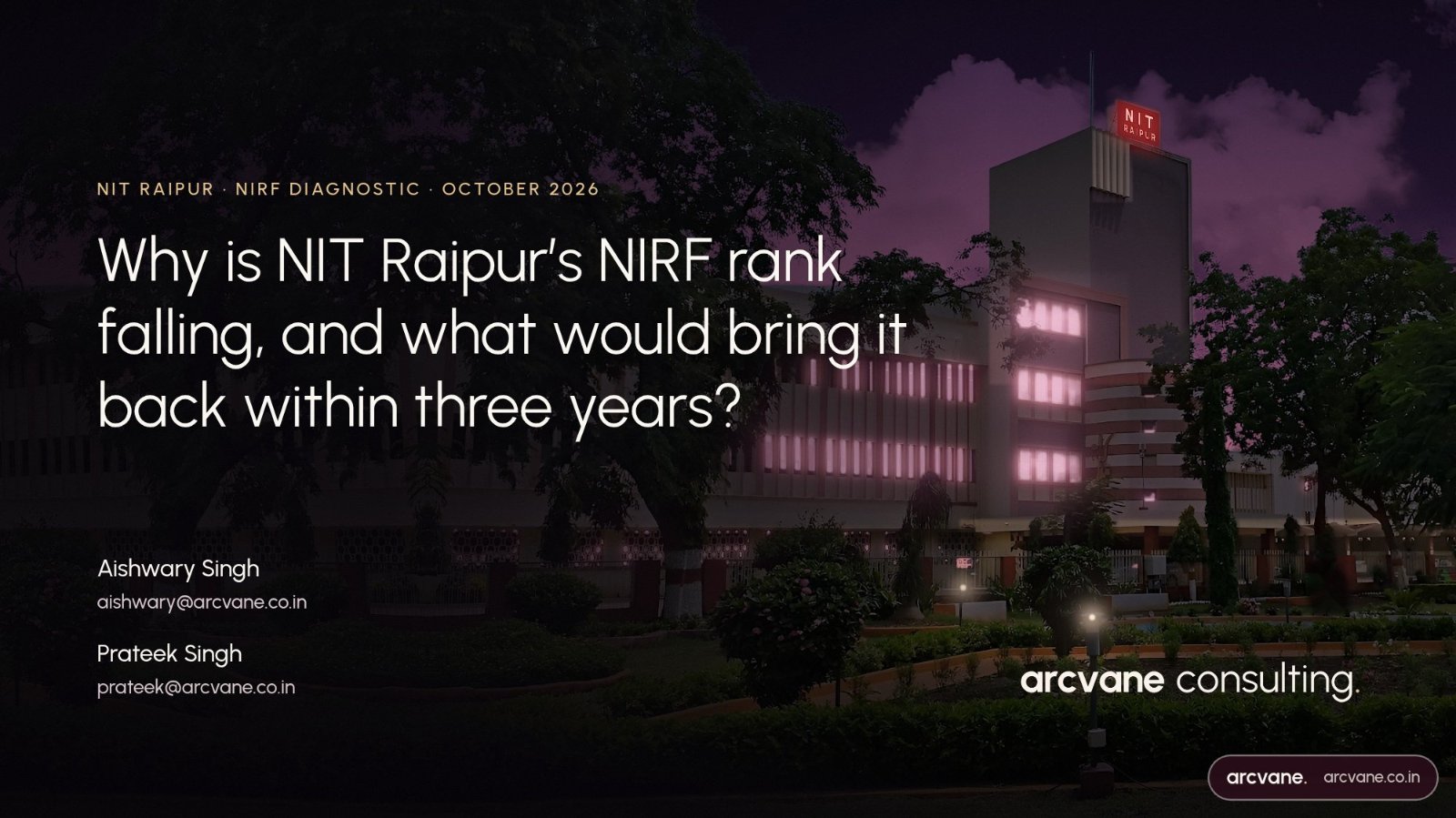
Why is NIT Raipur's NIRF rank falling and what would bring it back within three years?
NIT Raipur fell from 64th to 86th in NIRF Engineering between 2021 and 2025, although its score rose. We traced the lost ground to six fixable causes and found seven measures, each already working at a peer NIT worth about 4.2 points.

Coffee costs are up 50 to 60%. How can a growing café chain stay profitable while opening about 120 new cafés a year?
Leading Coffee Chain
 Public policyNational winner, 1st of 57,119 applicants
How can India win 100 medals at the 2036 Olympics?
A national sports strategy that rebuilds how India finds, trains and keeps its athletes, from the school playground to the Olympic podium.
- Fewer than 2% of Indians take part in organised sport, against about 30% in the US
- India spends about ₹24 per citizen a year on sport
- Almost half of the people we surveyed gave up sport to put their studies first
Get in touch
Tell us what you’re deciding and by when. We’ll reply with a few questions or a time to talk.